Low AMH and Diminished Ovarian Reserve
Why Egg Quality Matters More Than You Think
Receiving a diagnosis of low AMH or diminished ovarian reserve (DOR) can feel devastating. Many women are told this means they have little chance of conceiving, naturally or with IVF. But this interpretation is incomplete — and often unnecessarily discouraging.
The key message that’s often missed is this:
Fertility is not just about how many eggs you have. It’s about the quality of the eggs you release.
What Is Ovarian Reserve?
Ovarian reserve refers to the number of eggs remaining in the ovaries. Women are born with all the eggs they will ever have, and this supply gradually declines with age.
Clinically, ovarian reserve is usually assessed using:
- AMH (Anti‑Müllerian Hormone) – a blood test estimating egg quantity
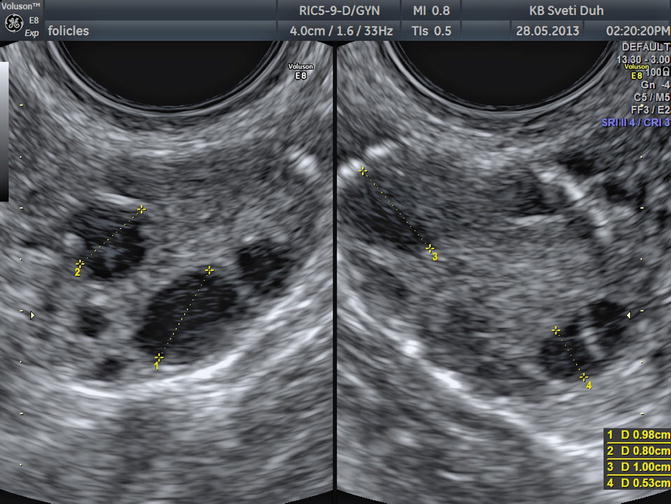
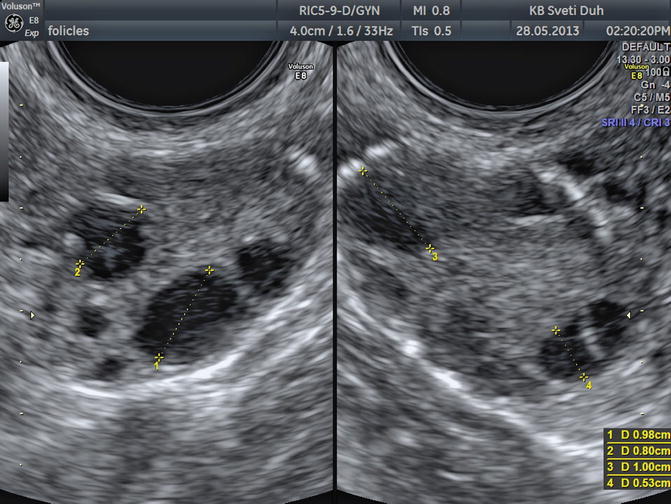
- Antral Follicle Count (AFC) – the number of visible follicles on ultrasound
These tests are useful, but they do not tell the whole fertility story.
What AMH Can — and Can’t — Tell You
AMH is often presented as a definitive marker of fertility. In reality, it is simply a marker of quantity, not quality.
Important points to understand:
- AMH can fluctuate
- Low AMH does not mean you cannot conceive
- High AMH does not guarantee fertility (for example, in PCOS, egg quality may still be compromised)
AMH helps predict how the ovaries may respond to IVF stimulation — not whether pregnancy is possible.
Egg Quantity vs Egg Quality
You cannot change the number of eggs you were born with — but egg quality is modifiable.
Egg quality refers to:
- Chromosomal integrity
- Mitochondrial health
- Ability to mature, fertilise, and develop into a healthy embryo
Many women with low ovarian reserve still ovulate viable, healthy eggs. If ovulation is occurring, pregnancy is still biologically possible.
One high‑quality egg is all that’s needed for conception.
Why Women with Low AMH Still Conceive
Clinically, we see many women with diminished ovarian reserve:
- Conceive naturally
- Conceive with minimal IVF stimulation
- Produce fewer eggs in IVF, but higher‑quality embryos
In some cases, a single retrieved egg becomes a healthy embryo and results in a successful pregnancy. This highlights why quality often outweighs quantity.
Supporting Egg Quality: An Integrative Approach
While ovarian reserve declines with age, the environment in which eggs mature can be improved.
Integrative fertility care focuses on optimising:
- Blood flow to the ovaries and uterus
- Hormonal signalling
- Inflammation and oxidative stress
- Mitochondrial function within the egg
Acupuncture and Fertility
Acupuncture is commonly used alongside natural conception and IVF to support egg quality. Research and clinical experience suggest it may:
- Improve ovarian and uterine blood flow
- Support follicle development and maturation
- Improve embryo quality
- Support hormonal regulation
- Reduce stress (a key factor in reproductive health)
Some studies suggest acupuncture may even improve AMH and antral follicle count, although its most consistent benefit appears to be improving the environment in which eggs develop.
A More Hopeful Perspective
A diagnosis of low AMH or diminished ovarian reserve is not a fertility verdict — it is information.
Rather than focusing solely on numbers, a more productive question is:
How can we support the best possible egg quality right now?
With the right support — including lifestyle changes, targeted supplementation, and integrative therapies such as acupuncture — many women with low AMH go on to conceive.
If you’ve been told your chances are low, know this: fertility is more nuanced than a single blood test, and hope is very much still part of the picture.


